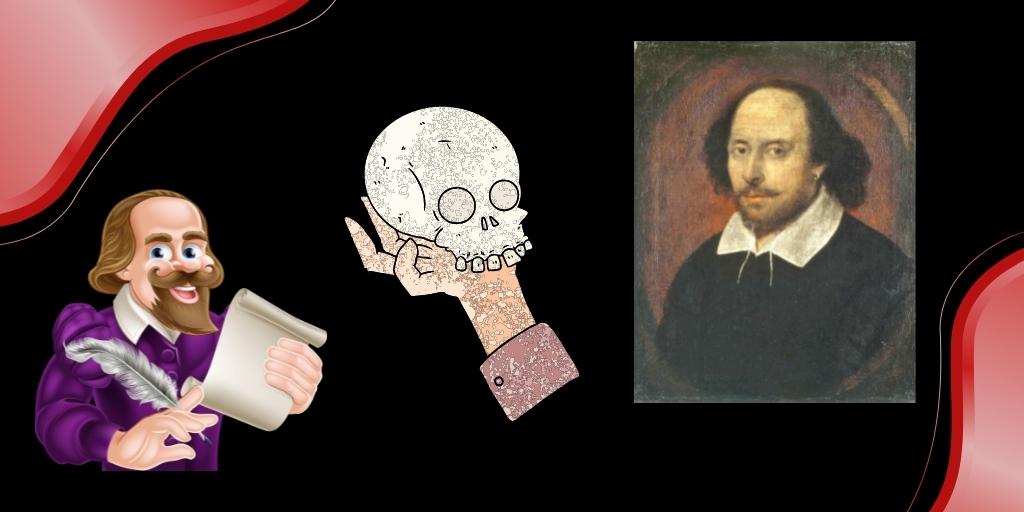
William Shakespeare that is often called the national poet of England is considered to be the world's greatest playwright, dramatist, poet and actor. The term “Bard” evokes immediately associations of the name of Shakespeare. The title “The Bard of Avon” or “Swan of Avon” the writer has been given in recognition of his tremendous gift and his extant creation.
Shakespeare’s heritage involves 154 sonnets, three long narrative poems, a few other verses and some of uncertain authorship. How many plays did Shakespeare write? There are about 38 plays by William Shakespeare. Several collaborations are included as well in this huge range of works. Translated into many living languages his plays are performed and read more often than those of any other playwright. The complete works of William Shakespeare continue to be studied and reinterpreted.
According to the most factual knowledge Shakespeare was born and raised in Stratford-upon-Avon, Warwickshire. The boy’s education consisted mostly of Latin studies. Shakespeare did not go on to the university. Instead, he married Anne Hathaway at the age of 18 who bore him Susanna and twins Hamnet and Judith. Almost nothing is known about poet’s life until the name of Shakespeare begins to appear in London theatre records.
But the period between 1585 and 1592 is marked by the successful career of Shakespeare as an actor, writer, and part-owner of the Lord Chamberlain's Men a playing company, later known as the King's Men, acted in London. In 1613 at the age of 49 he retired and went to Stratford, where he died three years later. The records of Shakespeare's private life are hardly survived; this became a spur for considerable speculation about writer’s physical appearance, his sexuality, his religious beliefs and even whether his pieces were written by others.
Most of best-known works of Shakespeare have been created between 1589 and 1613. Among his early plays critics single out primarily comedies and histories that are acknowledged as some of the best works produced in these genres. The prominent tragedies of Shakespeare (Hamlet, Romeo and Juliet, Othello, King Lear, and Macbeth) have been written until 1608 and all are considered to be the finest works in the English language. In his last years of life, he wrote tragicomedies (also known as romances) and actively collaborated with other playwrights.
A large list of Shakespeare plays was published in editions of different quality and accuracy during his lifetime. Nevertheless, in 1623, two companions of Shakespeare, John Heminges and Henry Condell, published the First Folio, a posthumous collected edition of complete works of William Shakespeare. It is regarded as one of the most influential books of William Shakespeare famous works ever published. Ben Jonson hailed Shakespeare in its preface with the famous epithet: "not of an age, but for all time".
| © 2022 shakespeareintune.com |
| Privacy policy |